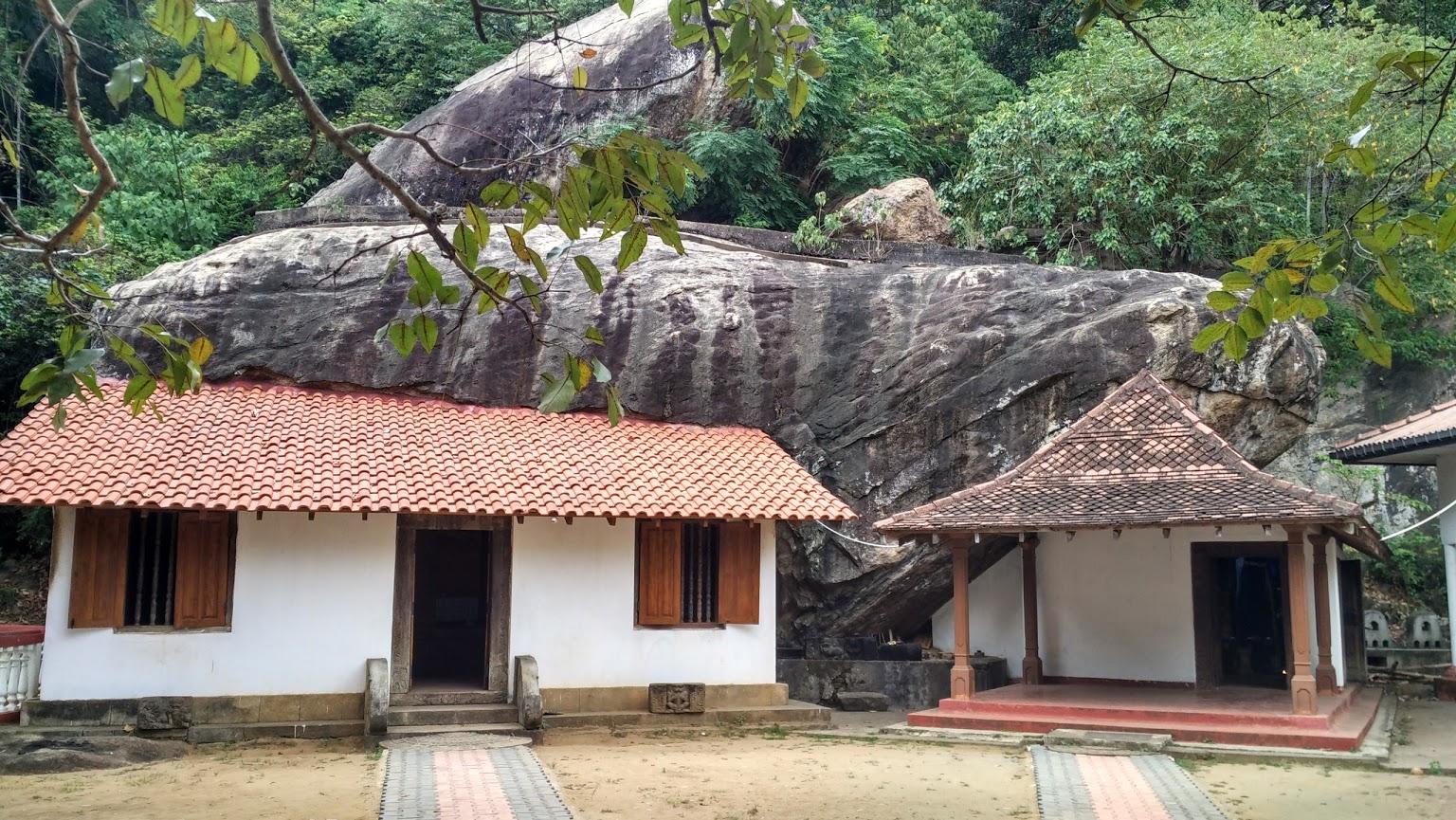
kurunegala
Kurunegala is a major city in the North Western Province of Sri Lanka and serves as the
capital of
both Kurunegala District and the province itself. It is located approximately 94 kilometers
northeast of
Colombo, the country's capital, making it a significant urban center in the region.
Here are some highlights
Geography and Landscape
Kurunegala is surrounded by scenic landscapes,
including the iconic Kurunegala Lake and several large rock
outcrops,with the most famous being (Ethagala) or "Elephant Rock,"
which resembles an elephant. The town is nestled amidst
coconut and rubber plantations, with a tropical climate
that keeps the region lush and green year-round.
Historical Significance
Kurunegala holds historical importance as an ancient
royal capital of Sri Lanka. It was briefly the seat
of the Sinhalese kings in the late 13th century, before
the kingdom moved to Kandy. The area has remnants of
old royal architecture, monuments, and ruins that point
to its regal past. The town’s name itself is believed to
derive from "Kuru Nagara," meaning "Town of the Elephant,
" a reference to both its geography and local legends.
Economy and Development
Kurunegala serves as a commercial and agricultural hub,
with a thriving economy based on agriculture,
especially in the coconut, paddy, and rubber industries.
It is also known for producing pottery, furniture,
and handicrafts. The city has seen recent development
in infrastructure, attracting more businesses and modern
facilities.
Natural Attractions
- Ethagala (Elephant Rock): A popular viewpoint, it offers a
panoramic view of the city and surrounding areas.
- Kurunegala Lake: A tranquil spot for walking, boating,
and enjoying nature.
- Ridi Viharaya (Silver Temple): An ancient Buddhist temple
with intricate carvings and a rich history, located nearby.
- Kobeygane Sudarshanarama Purana Viharaya: A famous temple
with beautiful architecture and a serene atmosphere.
Transportation and Accessibility
Kurunegala’s strategic location makes it an important transport hub.
The city has a modern bus station that connects to Colombo, Kandy,
Anuradhapura, and other major cities. The Kurunegala Railway Station
is on the main railway line from Colombo to Kandy, with additional
connections to other regions. The planned Central Expressway is
expected to enhance connectivity even further, reducing travel time
to Colombo and making Kurunegala more accessible.
Educational and Healthcare Facilities
Kurunegala has a number of well-regarded schools, technical institutes,
and a government university, the Wayamba University of Sri Lanka, which
specializes in agriculture, business, and computing. The Teaching Hospital
Kurunegala serves as the main healthcare provider in the region, offering a
range of services to residents and visitors.
Traditional Crafts and Shopping
Kurunegala is known for its handicrafts, especially items made from clay,
brass, and wood. Many local artisans produce pottery, traditional furniture,
and brassware that reflect Sri Lankan cultural motifs. The Kurunegala Market
is a bustling place where one can find fresh produce, spices, and local crafts.
Climate
The climate in Kurunegala is tropical, with two main seasons: the wet season
(typically May to September) and the dry season (November to April).
Average temperatures range between 24°C and 32°C throughout the year.
The monsoon seasons bring occasional heavy rains, but the dry season offers
warm and pleasant weather, ideal for outdoor activities.In summary,
Kurunegala is a city that holds great historical, cultural, and natural appeal.
From its rich royal past to its agricultural strengths and emerging development,
Kurunegala serves as a fascinating blend of tradition and modernity,
offering visitors and residents alike a unique experience in the heart of Sri Lanka.